



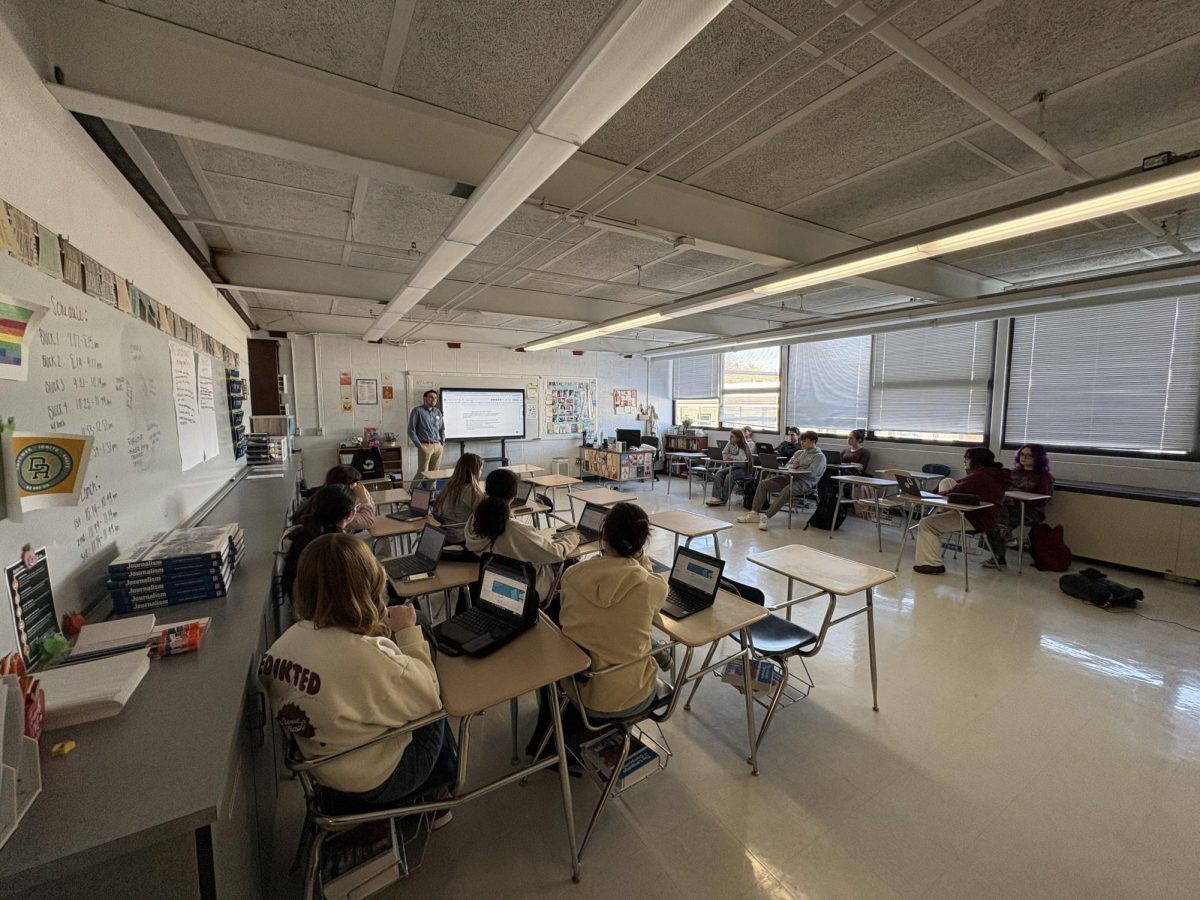

The Civics Project showcase takes place yearly during the seniors’ last week. Although it’s a state requirement, the Civics Project is an opportunity for junior students to showcase issues they deem important. It can be a school-based issue, local, statewide, national, or even international. It became a state requirement to increase literacy rates and emphasize the importance of civic action among younger generations.
For Lena and I’s topic, we chose veterans’ mental health. This issue is important to us because we both have veterans in our family. Lena was inspired by her grandparents’ stories. Her grandfather fought in the Vietnam War, and he still remembers and talks about his experiences. Meanwhile, her grandmother tells stories about how she was encouraged to break up with her grandfather while he was deployed, putting a strain on their relationship. They prevailed, but if they had not, Lena would not have existed. Both of her grandparents now help out the Salvation Army through food and clothes drives. Lena has assisted them in their personal goal, leading to her own connection to the cause. My great-grandfather was a World War II veteran who was awarded two Purple Hearts. He also personally fought on Operation D-Day. A distant cousin, Edward James Andrade, fought in the Vietnam War and is on the Vietnam Wall of Remembrance. My dad, as well, was a veteran, and he fought in the Iraq War. Growing up, I always saw that my dad struggled with depression.
Due to the mentality being perceived as either pointless or weak, numerous military members suffer in silence. They turn to drugs or other substances in order to deal with their struggles, which leads to more issues in the long run, such as incarceration or homelessness. The hierarchy and mentality also set up a system of victim blaming for survivors of sexual assault. The majority have stated that the process of filing reports often makes the issue worse. The silence is one of the reasons why veteran suicides are so high. Out of the 22 veteran suicides that occur every day, only 12 are related to combat trauma.
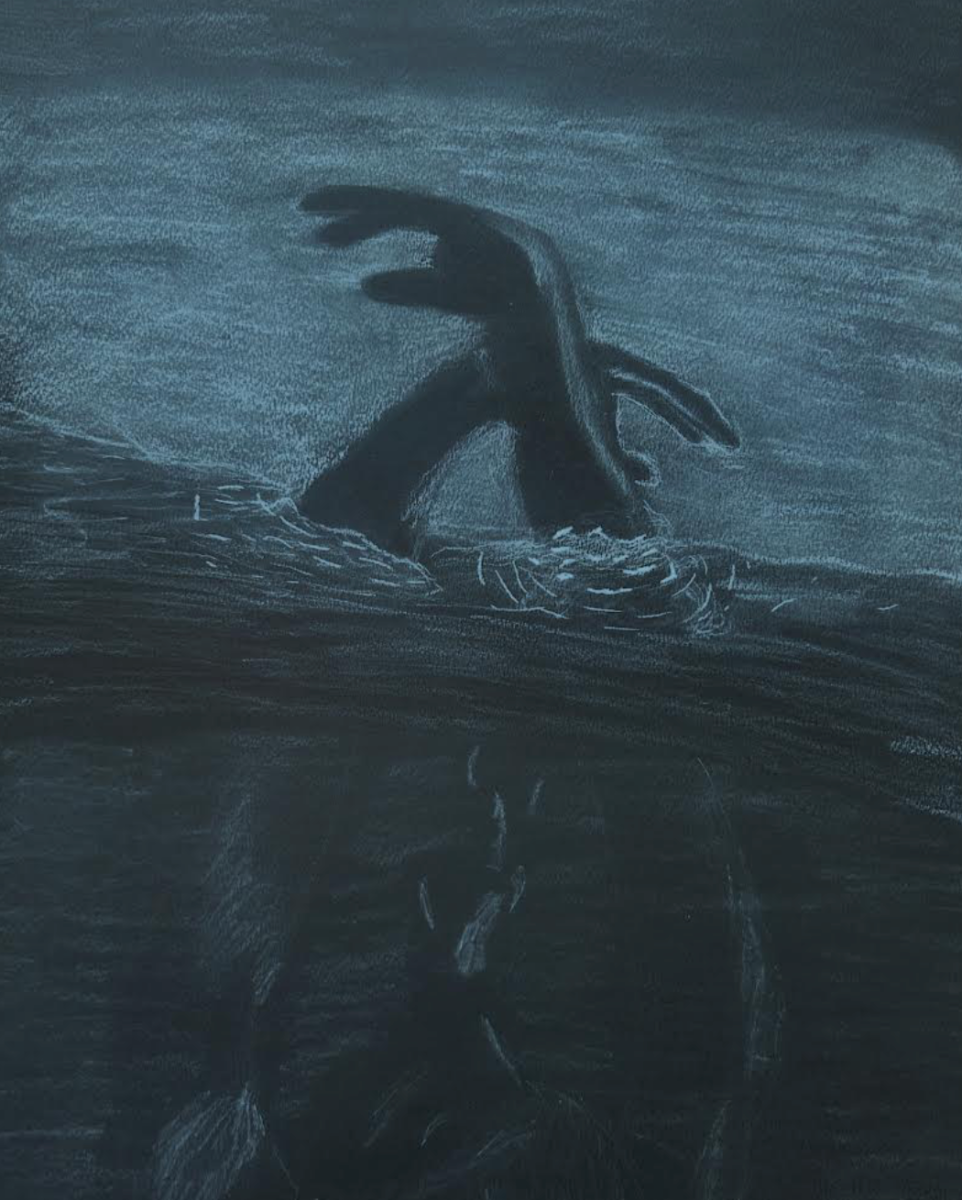
Moreover, numerous soldiers have trouble transitioning from strict regimens to the freedoms they have outside the military. I started a petition for there to be more government funding allocated to post deployment since the majority of the military funding goes towards active employment. To raise awareness, we started an Instagram account, a petition, and creatively tied poetry and art into the issue.
We learned just how interconnected the issue was and how it forms a problematic cycle that many veterans struggle with. If we were to do this project again, we would most likely try to make more time to interview actual veterans for their personal experiences. Additionally, we would try to be more active in the school with our issue so that our efforts are more widely recognized. This would be imperative because it is hard to speak on something you have not personally experienced, and it is easier to spread information in a school versus trying to get something spread across the internet. One of our biggest successes was getting forty-two signatures on our petition. An area in which we could have grown was posting more on our social media page and getting our petition written earlier, so we had more time to gain signatures. This would boost our issue and get more awareness surrounding it. We learned about a struggle that has been affecting thousands for years. We connected our issue back to Vietnam, a war that happened 60 years ago. If almost 30% of veterans are diagnosed with PTSD after service, but many reported that they were taught how to pass mental health screenings, then this issue is not small or going away without help. This issue’s deep connection to American history and beliefs is only possible to get rid of when people know about it. Moving forward, we will gather the signatures we got to send to our state representative. We hope that once the people become aware of veterans’ mental health struggles, the policymakers will respond accordingly.
Also, a Petition for Veterans Mental Health is linked to sign.
The following is a poem written by Lena Small highlighting the struggle of veterans from a personal and outside perspective:
Don’t Thank a Veteran
Looking out and looking in,
Blank faced.
Flinching at the sound of a pin
Drop and race
Gun fire overhead,
Gun fire when trying to sleep in bed.
Proud of your country,
Willing to slaughter.
Trying to be Proud.
But how could it be so loud,
Under water?
Drowning in silence
While they only accept compliance.
They may have won,
But never thank a veteran.
Because they may not be proud of what they’ve done.



Kassidy Magoni-Belanger • Jun 15, 2026 at 1:02 pm
This is so well done! I’m insanely proud of the work and dedication you guys put in. 🙂